
Home   /   Journal / Article

Preparing your first project brief

A useful project brief starts with how you want to live and the information you have today. You do not need every answer before your first conversation.
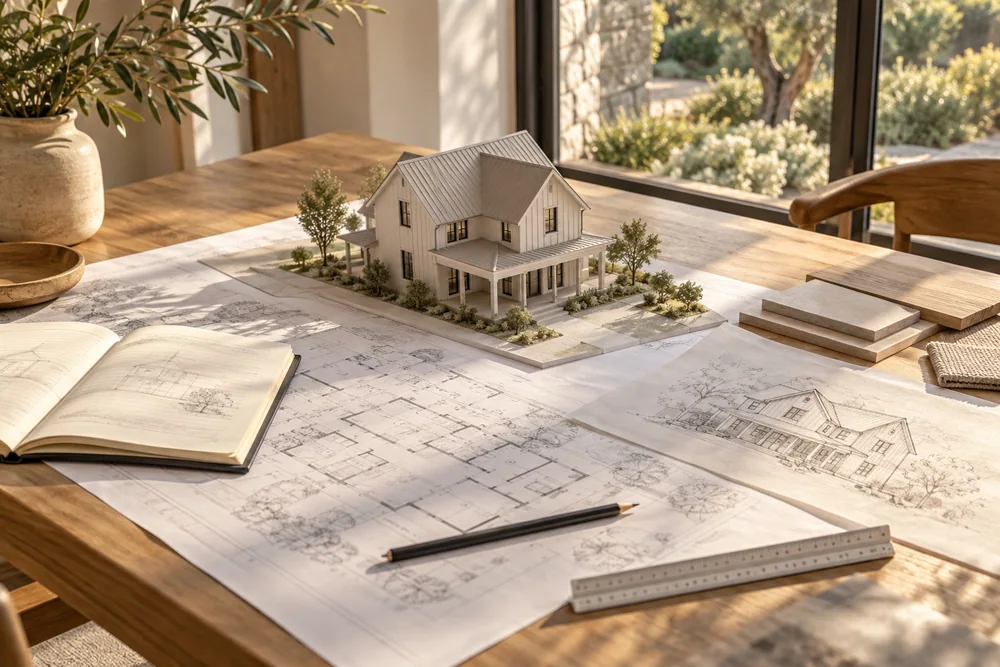
A model American home and drawings on a sunlit desk

A useful project brief starts with how you want to live and the information you have today. You do not need every answer before your first conversation.

Start with the essentials

  • Your site location and any available site information.
  • The intended use, approximate area and number of levels.
  • Your current drawings, sketches or architectural references.
  • Your priorities for layout, appearance and timing.

Make the scope clear

Note which decisions are already made and which remain open. Tell the project team whether you want to discuss design coordination, framing supply, site coordination or a combination.

Bring what you have

A concise brief and a few relevant drawings can make the next conversation more focused. Keep references labelled so their purpose is clear.
Prepare your project brief →

Keep the conversation going.Discuss your project ↗

Continue reading

A useful comparison starts with scope. Two totals are only comparable when you understand what each quotation includes and assumes.
The outside of a home and the structure behind it develop together. A clear envelope conversation starts before the framing package is finalised.
Clear, current drawings give everyone a common starting point. Before a review, gather your plans and identify the latest version of each document.